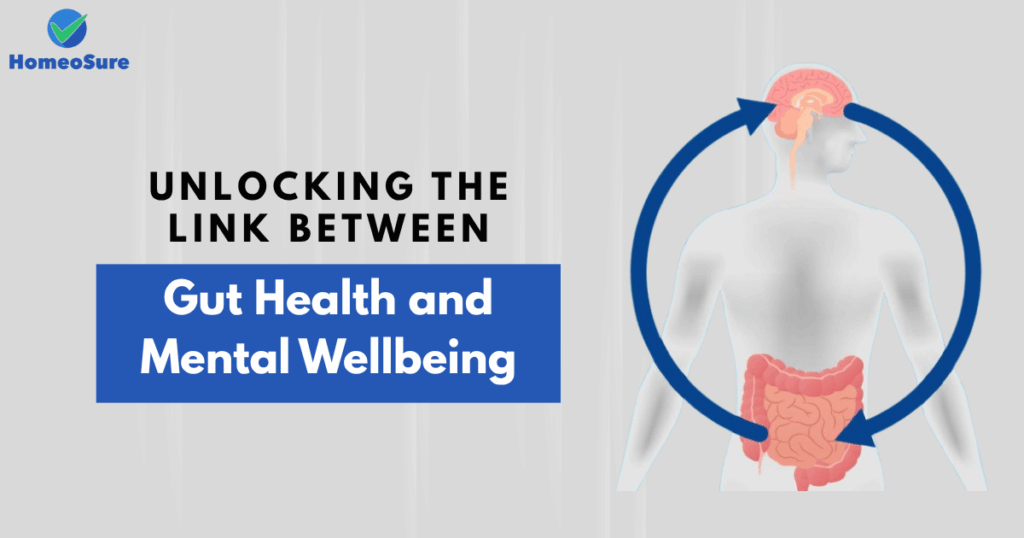
Unlocking the Link Between Gut Health and Mental Wellbeing
We usually consider the stomach as just a place for food, but it is actually linked to how we feel, think, and even deal with stress. The gut and the brain keep in touch with each other all the time. If the gut is in a good state, the brain is most likely to be better as well. So here, we discuss the important connection between gut health and mental wellbeing.
Your Gut Has Its Own Brain
There is a large nerve network in your belly which is sometimes referred to as “the second brain.” This system not only helps the digestive process but also sends the signals to the brain.
Quite a few of the “feel-good” chemicals, serotonin for example, are still made in the digestive tract. So if the gut is healthy these messages are very powerful and they become the main source of the calm and focused state of a person.
Anxiety and Low Energy Might Be Caused by an Unhappy Gut
If the digestive system is not working properly or the gut bacteria are imbalanced, then it can lead a person to suffer from certain symptoms which are beyond the familiar gas and bloating. Occasionally people feel anxious, fatigued, or have a mental fog. Unhealthy gut issues, as understood from scientists, can lead to the rise of inflammation that subsequently interferes brain operation and impairs the regulation of mood.
Tiny Helpers: The Good Bacteria
There are billions of good bacteria also known as probiotics living in your digestive tract. They are responsible for decomposing food, taking in the minerals, and even energizing the immune system. These minuscule companions also take the major role in the production and regulation of the mood-related chemicals. The consumption of foods rich in fiber, yogurt, or fermented products such as curd, idli batter, and pickles is helpful in maintaining a balance in the inner world of the body.
Simple Habits That Support Both Gut and Mind:
Include more fresh fruits and vegetables into your daily diet, as well as whole grains.
Make sure you drink enough water throughout the day.
Put a stop to junk food, sugar, and processed snacks.
Stress management through methods like deep breathing, walks, or listening to music is worth trying.
How Patients Can Take Charge
If you frequently have an uncomfortable stomach or experience mood swings, then a good starting point is to keep a small food and mood diary. Record what you eat and how you feel after that. Take it to your doctor or dietitian appointment. It is a tool for them to recognize the patterns and help you more accurately. Small changes initiated at the early stage can significantly make a difference later.
Building a Gut-Friendly Routine
One of the main points is that patients need to work on consistency rather than perfection.
As a matter of fact, they can step by step create normal food intake hours, eating the food more slowly by themselves, and not lying down right after the meal. Moreover, it is still very essential that the meal be taken in a tranquil environment—put the TV or phone away, take deep breaths, and focus on your food.
Such little things on a daily basis have a great impact on digestion and they also help the body’s system which links the gut and brain to get stronger.
Get good rest—your gut is also recuperating during the night.
An optimally working gut is more than just easy digestion. It also brings about clear thinking, sound sleep, and fewer mood swings. The stomach and the brain are two partners. If you take good care of one, it will benefit the other.
Therefore, as a matter of fact related to gut health and mental wellbeing, when you are feeling low or tired next time, do not dwell only on your thoughts, rather, do check with your tummy as well. It may be quietly requesting for a little extra care.